


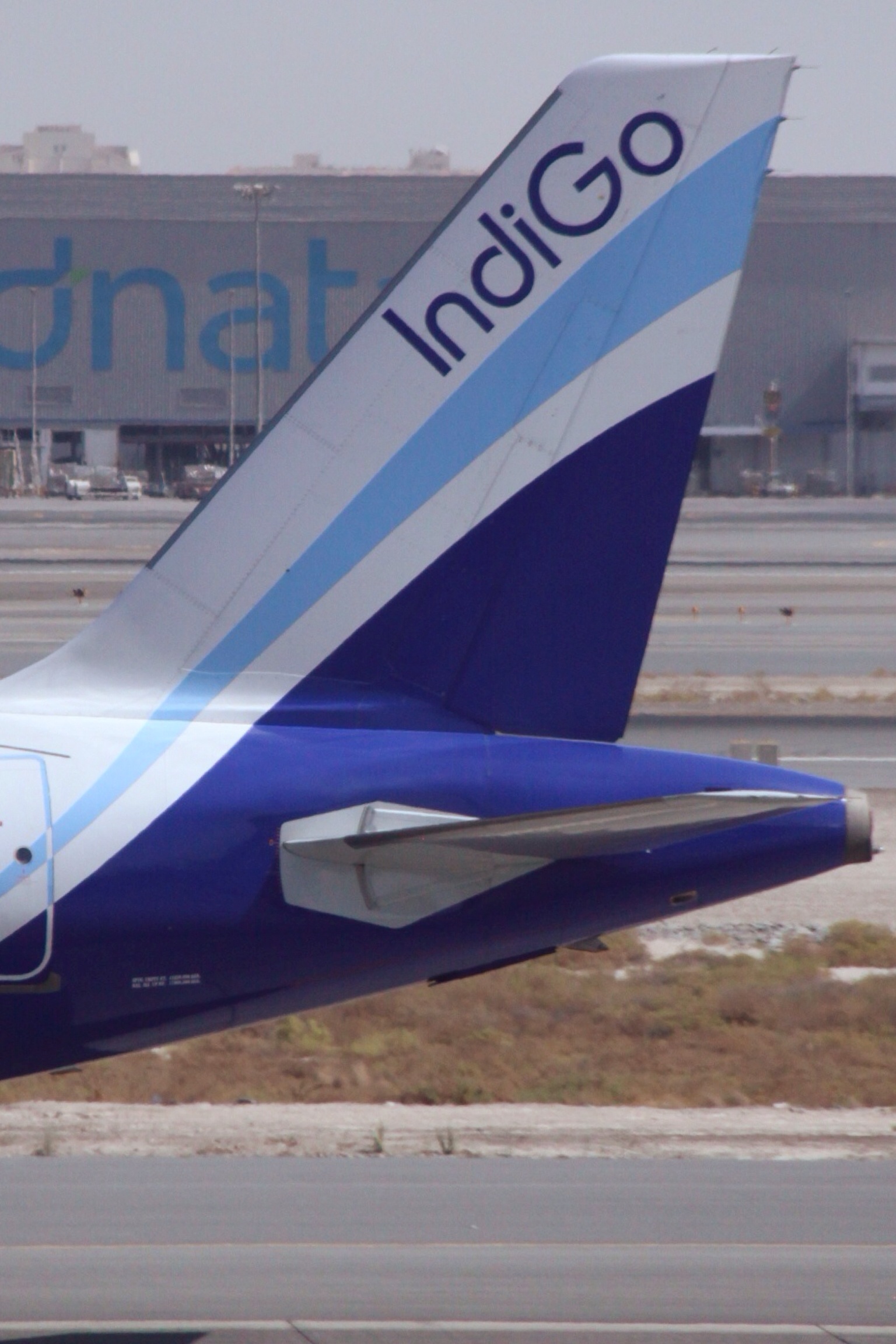
✈️ The IndiGo Crisis: India’s Biggest Airline in Trouble — What Happened and Why It Matters
If you’ve recently seen news of massive flight cancellations, stranded passengers and ticket-price chaos across Indian airports — you’re not imagining it. IndiGo, long considered a backbone of domestic air travel in India, has hit perhaps its worst turbulence ever. What began as regulatory changes ended up spiralling into a nationwide disruption.
Let’s break it down: what triggered it, why IndiGo was hit hardest, how travellers are affected — and what might come next.
🧭 What is this “crisis” all about?
In late 2025, IndiGo was hit by widespread flight delays, cancellations, and operational disruptions that affected thousands of passengers across the country.
Key points of the disruption:
- Over 2,000 flights cancelled across the network by early December 2025; by some counts, the total disruption has affected 3,800+ flights.
- On-time performance at major airports plunged to under 20%, from a more respectable ~35% shortly before.
- Delays and cancellations hit major hubs including Delhi, Bengaluru, Hyderabad, Chennai and more — meaning this wasn’t limited to a few routes.
Passengers found themselves stranded, missing flights with little prior notice, or waiting hours in airports with chaotic communication. Many reported lacking sufficient support: no clear alternatives, delayed or lost baggage, long queues, frustration.
📋 Why did this happen — what triggered the chaos?
The root cause lies in new regulations for airline crew duty and rest periods, introduced by the regulator DGCA (Directorate General of Civil Aviation) to ensure pilot and crew safety.
Under the revised rules (called Flight Duty Time Limitation, or FDTL), mandatory rest periods were increased and night-duty/landing limits tightened:
- Weekly rest for pilots increased from 36 to 48 consecutive hours.
- Night-landing limits per pilot drastically reduced — what used to be up to six night landings a week is now limited to two.
- Total night-duty timing definitions changed (hours of night duty broadened) and consecutive night flights restricted.
These are sensible, safety-oriented rules aimed at preventing pilot fatigue and improving air travel safety. The problem: for an airline built on high aircraft utilization, short turnaround times, and night-heavy schedule, the changes disrupted the entire model.
IndiGo reportedly underestimated how many additional pilots & staff it would need under these norms. Its staffing model was “lean” — minimal buffer, high utilization — which worked under old rules. But under stricter norms, it became unsustainable.
In effect: When crew availability dropped drastically, but flight demand (especially around holiday season) stayed high, the system cracked. Flights had to be cancelled en masse, rather than risk overworking crews.
🧑✈️ Why IndiGo was hit harder than others
You might wonder: Why only IndiGo? Why not other airlines too? Several structural factors made IndiGo the worst affected:
- IndiGo holds a dominant market share — around 60-65% of domestic air travel.
- Its operational model — heavy reliance on night flights, tight aircraft utilization, minimal crew margin — left little room to absorb disruption.
- Other airlines, with less aggressive utilization and more conservative scheduling, were better positioned to adapt to FDTL norms.
In simple terms: IndiGo scaled up rapidly in recent years (fleet, routes, frequency), but did not scale up crew/roster accordingly — and the regulatory changes exposed the imbalance.
🧳 What this means for passengers — the human side of the crisis
For travellers, this crisis has been messy. Some of the major impacts:
- Flights cancelled at short notice — even after passengers had boarded — leaving many stranded.
- Overcrowded airport lounges and long queues for customer service, with many people unsure if or when they’d be flown.
- Surge in demand for alternate travel modes — road, trains — leading to sudden fare hikes for buses, cabs, etc. This has also affected travellers in cities like Lucknow, where many may now opt for trains or buses due to flight chaos.
- Uncertainty over bookings: last-minute tickets shot up in price due to low supply vs demand.
- General frustration and loss of trust — especially among people travelling for important reasons (work, weddings, emergencies).
Some airlines — including IndiGo — have started offering refunds, rebooking or waiving fees for passengers affected.
🏛️ What regulatory bodies & airline management say — and what’s being done
In response to the chaos:
- DGCA launched an inquiry into IndiGo’s roster failures and compliance with the new FDTL rules.
- For now, some relaxation has been granted specifically for IndiGo’s A320 fleet — night-duty restrictions eased temporarily until early 2026 to prevent complete collapse of operations.
- IndiGo management has apologized and called the situation “misjudgement and planning gaps.” They say they are working closely with DGCA and aim to restore normal operations soon.
- Refunds, rebooking options, waiving of cancellation/reschedule fees (for a certain period) have been announced to relieve affected customers.
Still, restoring full confidence and stable operations — especially in peak travel season — will take time.
🧐 What does this crisis teach us — bigger lessons for aviation & travellers
✅ Safety matters — but planning matters even more
The updated duty-time regulations are in a good direction: ensuring pilots aren’t overworked, reducing fatigue, improving safety. But operational models must adapt proactively. This crisis shows that pushing for cost-efficiency without adequate reserves can lead to chaos when regulations or unexpected events hit.
⚠️ Overreliance on a single major player is risky
When one airline controls such a huge share of domestic travel, any disruption there has nation-wide ripple effects. For passengers and the country’s travel infrastructure, that concentration becomes a vulnerability.
🧑💼 Transparency and communication are vital
Much of the frustration came not just from cancelled flights, but from poor communication — uncertain flight status, lack of clear support, confusion. Better crisis-planning by airlines can help reduce passenger despair.
🗓️ Diversify travel plans, especially in uncertain times
Travellers may now consider having backup plans — alternate flights, trains, road travel — especially for important travel during busy periods.
✨ What Travellers & You Can Do Right Now
- If travelling soon, check flight status repeatedly — and confirm with the airline before leaving for airport.
- Have backup options ready: trains, buses or alternate flights. Travel demand is likely to spike due to cancellations.
- For flights cancelled by IndiGo: seek refund or rebooking — the airline claims to process refunds or waive cancellation/reschedule fees for bookings between 05–15 Dec 2025.
- Keep all booking confirmations and receipts — in case of compensation claims or refund follow-ups.
- Be patient and prepared for delays — and try avoid critical time-sensitive travel (e.g. medical, official meetings) if possible, until the crisis stabilizes.
🧾 Final Thoughts: A Cautionary Tale for Aviation & Passengers
The 2025 IndiGo crisis is more than just a wave of cancelled flights. It underlines how delicate the balance is between cost-efficiency, safety regulations, and reliability — especially when an airline has outsized share in a country’s domestic travel.
For passengers, this has been a rough time: missed flights, broken plans, extra expenses, frustration. For IndiGo, a reputational hit and operational headache — and a reminder that scale must go hand-in-hand with robust planning.
But amidst the chaos, there’s a silver lining: enforced safety norms, renewed focus on pilot welfare, possibility for long-term healthier aviation practices. If navigated right, this disruption could reshape how air travel works in India — more responsibly, safely, and sustainably.


