
The Odyssey Movie: Bringing Homer’s Epic Journey to the Screen
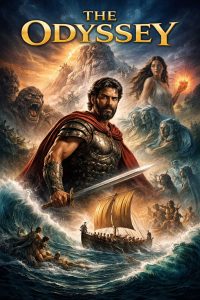
Classic film posters inspired by Homer’s epic poem
Homer’s The Odyssey is one of the oldest and most influential stories in Western literature. Written nearly three thousand years ago, the epic poem follows the long and dangerous journey of Odysseus as he struggles to return home after the Trojan War. Over time, this timeless tale has inspired numerous film and television adaptations. When people refer to “The Odyssey movie,” they are often speaking about these cinematic efforts to translate Homer’s poetic vision into visual storytelling.
This blog post explores how The Odyssey has been adapted for the screen, what makes the story so enduring, and why filmmakers continue to revisit Odysseus’s legendary voyage.
The Story at the Heart of The Odyssey
At its core, The Odyssey is a story about homecoming. Odysseus, king of Ithaca, spends ten years trying to return to his wife Penelope and his son Telemachus. Along the way, he faces monsters, gods, temptations, and human enemies. His journey is as much about inner growth as it is about physical travel.
Themes of loyalty, perseverance, intelligence, and fate run throughout the story. Odysseus is not the strongest hero in Greek mythology, but he is one of the cleverest. His wit and adaptability allow him to survive encounters with figures such as the Cyclops Polyphemus, the enchantress Circe, and the Sirens.
These universal themes are a major reason the story adapts so well to film. Audiences across generations can relate to the struggle to overcome obstacles and find one’s way home.
The 1954 Film: A Hollywood Classic
Kirk Douglas starring in the 1954 adaptation
One of the most famous adaptations is the 1954 film Ulysses, starring Kirk Douglas as Odysseus. This version reflects the style of classic Hollywood epics, with grand sets, dramatic music, and heroic performances. The film focuses on major episodes from the poem while simplifying others for a cinematic audience.
Kirk Douglas’s portrayal emphasizes Odysseus as a traditional hero, strong and determined. While the film takes liberties with the original text, it introduced many viewers to the story for the first time. For decades, this version shaped how audiences imagined Odysseus and his adventures.
The 1997 Miniseries: A Faithful Retelling
Scenes from the 1997 television adaptation
Another well-known adaptation is the 1997 television miniseries The Odyssey, starring Armand Assante. This version is often praised for being more faithful to Homer’s poem. With a longer runtime, the miniseries has room to explore more characters and events in greater detail.
The visual effects, impressive for their time, help bring mythological creatures and divine interventions to life. The gods play a larger role here, reflecting the importance of divine influence in the original epic. This adaptation is frequently used in classrooms because it closely follows the narrative structure of the poem.
Modern Interpretations and Loose Adaptations
A modern reimagining inspired by The Odyssey
Not all Odyssey movies are direct adaptations. One of the most creative interpretations is the 2000 film O Brother, Where Art Thou? directed by the Coen Brothers. Set in the American South during the Great Depression, the film loosely follows the structure of The Odyssey while replacing Greek mythology with American folklore.
Characters and events mirror those in the original epic, but the setting and tone are entirely different. This adaptation shows how flexible Homer’s story can be and how its themes can be translated into new cultural contexts.
Visual Storytelling and Mythology
Adapting The Odyssey for film presents unique challenges. The poem relies heavily on narration, symbolism, and internal thought. Movies must turn these elements into visuals, dialogue, and action. Filmmakers often choose to emphasize spectacle, using dramatic landscapes, elaborate costumes, and special effects to represent the mythical world.
Sea voyages, monsters, and divine encounters are visually compelling, making The Odyssey well-suited for cinema. However, the emotional journey of Odysseus is just as important as the physical one. The best adaptations balance action with character development.
Why The Odyssey Still Matters Today
The timeless appeal of Greek mythology on screen
The continued popularity of The Odyssey in film highlights its lasting relevance. The story speaks to universal human experiences such as loss, temptation, resilience, and love. Odysseus’s struggle to return home resonates in a world where many people face long journeys, both literal and emotional.
Modern audiences may also connect with the story’s exploration of identity. Odysseus often disguises himself and questions his role in the world. These moments feel surprisingly contemporary, reflecting ongoing discussions about self-discovery and belonging.


