
Powerball: How America’s Biggest Lottery Became a Cultural Phenomenon
Powerball is one of the most recognizable lottery games in the United States. Known for its massive jackpots, simple rules, and nationwide reach, Powerball has become more than just a game of chance. It is a cultural event that captures public attention whenever the prize climbs into the hundreds of millions.
For many players, Powerball represents hope, curiosity, and the thrill of possibility. Even for those who never buy a ticket, the headlines surrounding record-breaking jackpots have made Powerball a familiar name across the country.
The Origins of Powerball
Powerball was launched in 1992 by the Multi-State Lottery Association (MUSL). It was originally called Lotto America, but the game was rebranded as Powerball to emphasize its distinctive red Powerball number. The goal was to create a lottery that could offer much larger jackpots than single-state games.
By pooling ticket sales across multiple states, Powerball quickly gained momentum. More states joined over time, increasing the prize potential and expanding the game’s reach. Today, Powerball is played in most U.S. states, as well as Washington, D.C., Puerto Rico, and the U.S. Virgin Islands.
This multi-state structure is one of the key reasons Powerball jackpots can grow so large.
How Powerball Works
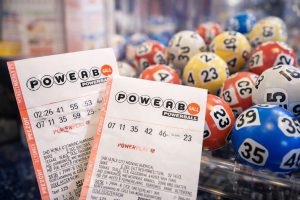
The rules of Powerball are simple, which adds to its appeal. Players choose five numbers from a set of white balls and one additional number from a smaller set of red Powerballs. Drawings take place multiple times each week, and the same numbers are used nationwide.
To win the jackpot, a ticket must match all five white balls and the red Powerball. There are also several lower prize tiers for matching fewer numbers, which means players can still win smaller amounts even if they miss the jackpot.
Powerball tickets are relatively inexpensive, making participation accessible to a wide range of people. Optional add-ons, such as multiplier features, allow players to increase non-jackpot prizes for an additional cost.
The Appeal of Massive Jackpots
One of the main reasons Powerball attracts so much attention is its enormous jackpots. When no one wins the top prize, the jackpot rolls over to the next drawing and continues to grow. Over time, this can result in prizes worth hundreds of millions or even billions of dollars.
These massive numbers capture public imagination. News outlets report on jackpot growth, social media fills with speculation, and lines form at convenience stores and lottery retailers. Even people who rarely play the lottery may buy a ticket when the jackpot reaches record levels.
The appeal is not just about money. It is also about the fantasy of sudden transformation and financial freedom.
Odds and Reality
Despite its popularity, Powerball is a game of very long odds. The chance of winning the jackpot is extremely small, which is an important reality for players to understand. However, many participants view Powerball as entertainment rather than a financial strategy.
The low cost of a ticket allows players to enjoy the excitement without significant risk. For some, the few days between buying a ticket and watching the drawing are worth the price alone.
Lottery organizations consistently emphasize responsible play and encourage people to view Powerball as a form of recreation.
Winners and Life Changes
When someone does win the Powerball jackpot, the story often becomes national news. Winners come from all walks of life, and their experiences vary widely. Some choose to remain private, while others step into the public spotlight.
Winning such a large sum can be both exciting and overwhelming. Many lottery organizations offer guidance to winners, including financial planning resources and legal considerations. Decisions about lump-sum payments versus annuities can have long-term impacts.
These stories remind the public that while Powerball dreams are exciting, sudden wealth also brings complex challenges.
Powerball and Public Funding
An often-overlooked aspect of Powerball is where the money goes. A significant portion of ticket sales is allocated to public programs, depending on the state. These funds commonly support education, infrastructure, and community projects.
While not all proceeds go directly to prizes, the lottery model allows states to generate revenue without raising taxes. This dual role of entertainment and public funding has contributed to Powerball’s long-term acceptance.
Transparency and regulation help maintain public trust in how lottery funds are distributed.
Cultural Impact and Media Attention
Powerball has become deeply embedded in American culture. Record jackpots spark conversations at work, on social media, and in families. People discuss what they would do if they won, often revealing personal values and dreams.
Movies, television shows, and comedy sketches frequently reference Powerball as a symbol of sudden fortune. These cultural moments reinforce its status as more than just a lottery game.
Powerball also reflects broader themes of chance, hope, and economic aspiration in modern society.
Responsible Play and Awareness
Lottery organizations and public agencies stress the importance of responsible play. Powerball is designed to be fun, but it should never replace sound financial planning. Setting limits and understanding odds are key aspects of healthy participation.
Educational campaigns aim to prevent problem gambling and ensure players approach the game with realistic expectations. This balance between excitement and responsibility is essential for the game’s long-term sustainability.


