
Opening Ceremony Olympics: A Global Celebration of Sport and Culture
The Olympic Games are one of the most watched sporting events in the world, bringing together nations, athletes, and cultures every four years. Before the competitions begin, the Opening Ceremony Olympics sets the tone for the entire event. This spectacular showcase is more than a formal introduction; it is a celebration of unity, history, and human achievement on a global stage.
What Is the Olympic Opening Ceremony?
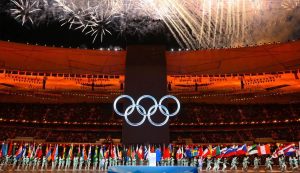
The Olympic opening ceremony marks the official start of the Olympic Games. It is a carefully choreographed event that blends tradition with creativity, highlighting both Olympic values and the culture of the host nation. The ceremony usually takes place in the main Olympic stadium and is watched by millions of people around the world.
While the format follows a traditional structure, each host country adds its own artistic vision. Music, dance, visual storytelling, and cutting-edge technology are often used to create a memorable experience that reflects national identity and global unity.
The Parade of Nations
One of the most iconic moments of the opening ceremony is the Parade of Nations. During this segment, athletes from each participating country march into the stadium behind their national flag. The order usually follows the host country’s language alphabet, with Greece traditionally entering first to honour the birthplace of the Olympics.
The host nation always enters last, receiving loud applause from the crowd. For athletes, this moment is deeply emotional, as it represents years of dedication and the honour of representing their country on the world’s biggest sporting stage.
Artistic Performances and Cultural Storytelling
A major highlight of the opening ceremony is the artistic performance designed by the host nation. These performances often tell stories about the country’s history, traditions, and values. Themes such as innovation, peace, resilience, and diversity are commonly explored through large-scale choreography and visual effects.
Host countries frequently use the ceremony to showcase their cultural heritage while also delivering a message to the world. The performances can range from traditional folk dances to modern interpretations using digital projections and dramatic lighting.
The Olympic Protocol
Despite its artistic freedom, the opening ceremony follows a formal Olympic protocol. This includes official speeches, the raising of the Olympic flag, and the playing of the Olympic anthem. These moments emphasize the traditions that connect each edition of the Games to the original Olympic ideals.
The President of the International Olympic Committee and a representative of the host country usually deliver short speeches. These speeches officially welcome athletes and declare the Games open, marking the transition from preparation to competition.
The Olympic Oath
Another meaningful tradition is the Olympic Oath. An athlete from the host country recites the oath on behalf of all competitors, promising to compete fairly and respect the rules. Similar oaths are taken by coaches and officials, reinforcing the principles of sportsmanship and integrity.
This moment highlights the ethical foundation of the Olympic movement. It reminds viewers that the Games are about respect, fair play, and mutual understanding, not just winning medals.
The Lighting of the Olympic Cauldron
The lighting of the Olympic cauldron is often the most anticipated part of the opening ceremony. This symbolic act represents the continuity of the Olympic spirit, linking the ancient Games to the modern era. The flame is usually carried into the stadium by a final torchbearer, often a celebrated athlete or national figure.
Each host nation designs a unique cauldron and lighting method, sometimes involving dramatic visuals or surprise elements. Once lit, the flame remains burning throughout the Games, symbolizing unity, hope, and perseverance.
Technology and Innovation in Modern Ceremonies
In recent decades, Olympic opening ceremonies have embraced advanced technology to enhance storytelling. Large LED floors, drones, augmented reality, and complex mechanical stages have become common features. These innovations allow host nations to create immersive experiences that captivate both live audiences and television viewers.
Technology also helps ceremonies reach global audiences through high-definition broadcasts and online streaming. This ensures that people from all parts of the world can feel connected to the event, regardless of location.
The Role of Music in the Ceremony
Music plays a powerful role in shaping the emotional impact of the opening ceremony. Host nations often feature a mix of traditional music and contemporary performances by internationally recognized artists. The music helps guide the narrative and adds emotional depth to each segment.
From orchestral compositions to modern pop performances, the soundtrack of the ceremony often becomes associated with the identity of that Olympic edition. Music bridges cultural gaps and enhances the sense of shared celebration.
Why the Opening Ceremony Matters
The opening ceremony is more than entertainment; it represents the Olympic spirit of unity and global cooperation. It is one of the few events where athletes from rival nations gather peacefully in one place, sharing a common purpose. This powerful image resonates far beyond sports.
For host countries, the ceremony is an opportunity to present themselves to the world. It can influence international perception, boost tourism, and leave a lasting cultural impression. For viewers, it creates excitement and anticipation for the competitions ahead.


