

Tata Avinya Launch: What It Means for India’s EV Future
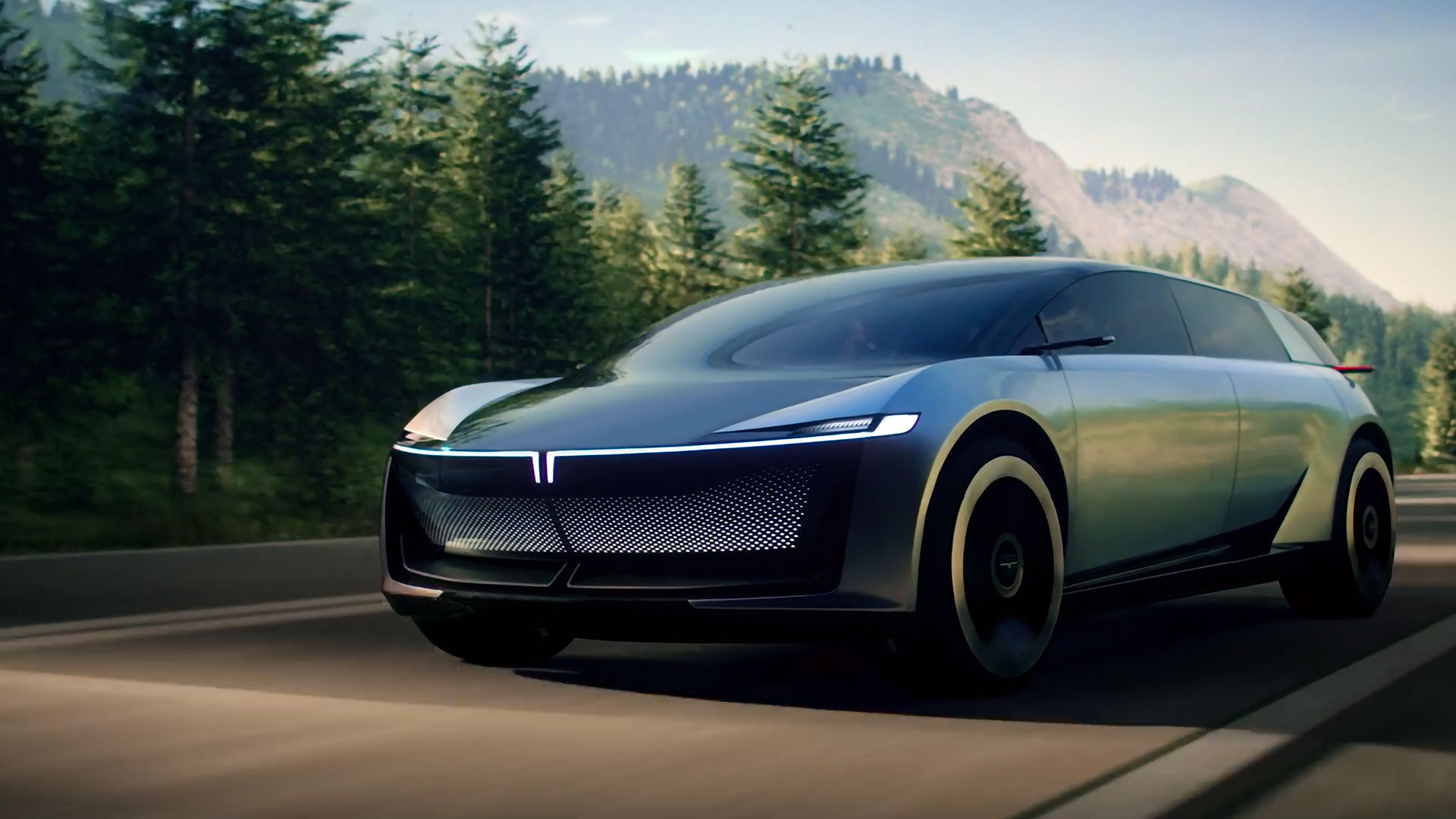
The Tata Avinya represents one of the most exciting chapters in India’s electric vehicle journey. As Tata Motors prepares to bring this futuristic EV concept to the road, the automotive world is paying close attention to what could become a landmark launch in the premium EV segment. From its design philosophy and technological innovation to its potential influence on the broader market, the Tata Avinya launch marks a major step toward sustainable and advanced mobility.
What Is Tata Avinya?
Tata Avinya started as a pure electric vehicle concept showcased by Tata Passenger Electric Mobility (TPEM), a dedicated EV division of Tata Motors. The name Avinya is derived from Sanskrit, meaning “innovation”, a nod to the advanced ideas embedded in its design and engineering.
The Avinya concept was first revealed as an idea for a new breed of EVs that combine the versatility of an SUV, the comfort of an MPV, and the elegance of a premium vehicle — all built on a modern electric architecture called Gen 3.
According to official indications, the vehicle is expected to offer a claimed driving range of around 500 kilometers on a single charge and support ultra-fast charging capabilities.
Design and Tech Highlights
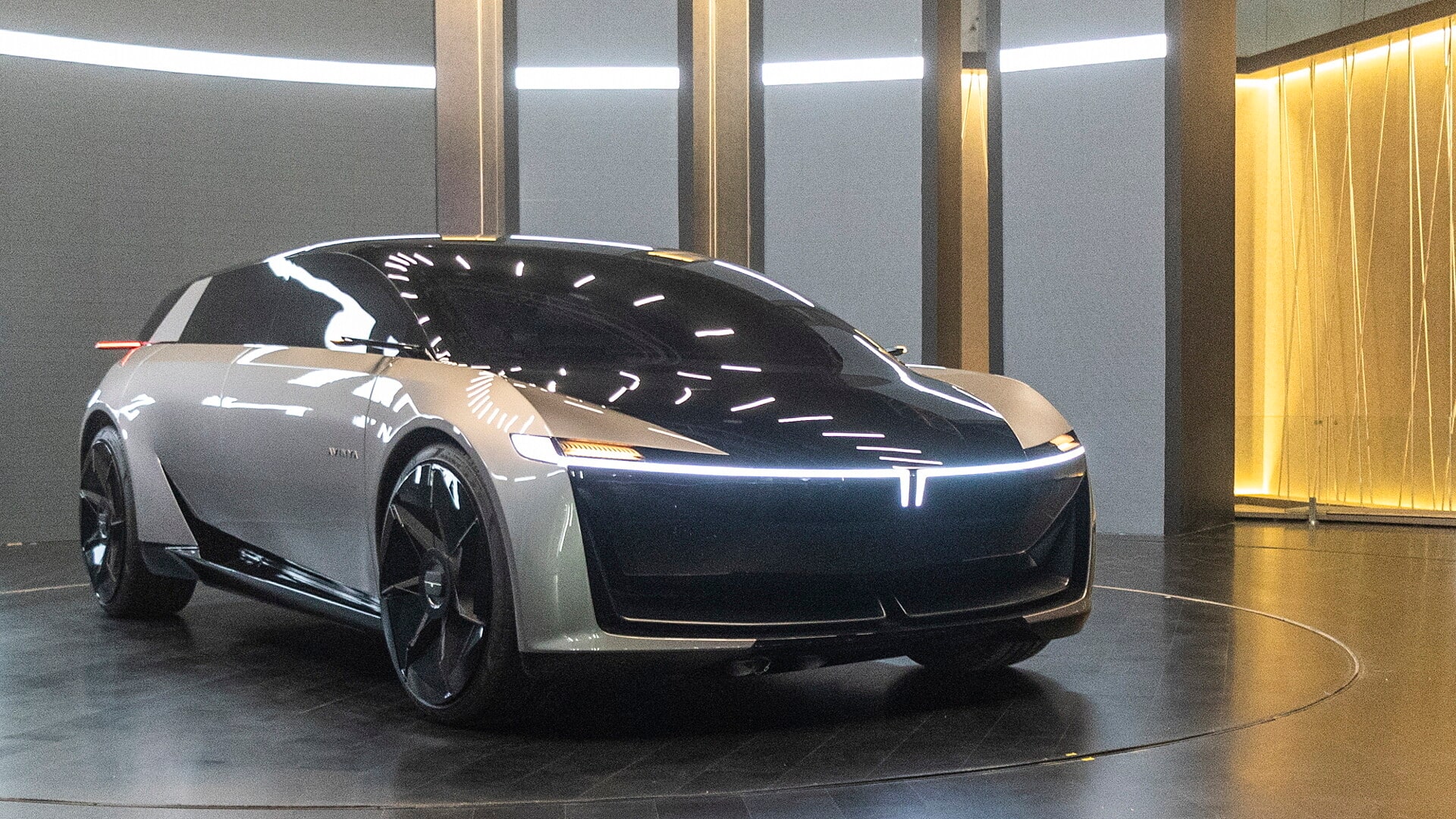
One of the most striking aspects of the Avinya concept is its design language. From the exterior all the way through to the cabin, Tata Motors has emphasized a futuristic, human-centric aesthetic that blends simplicity with sophistication.
Exterior Vision
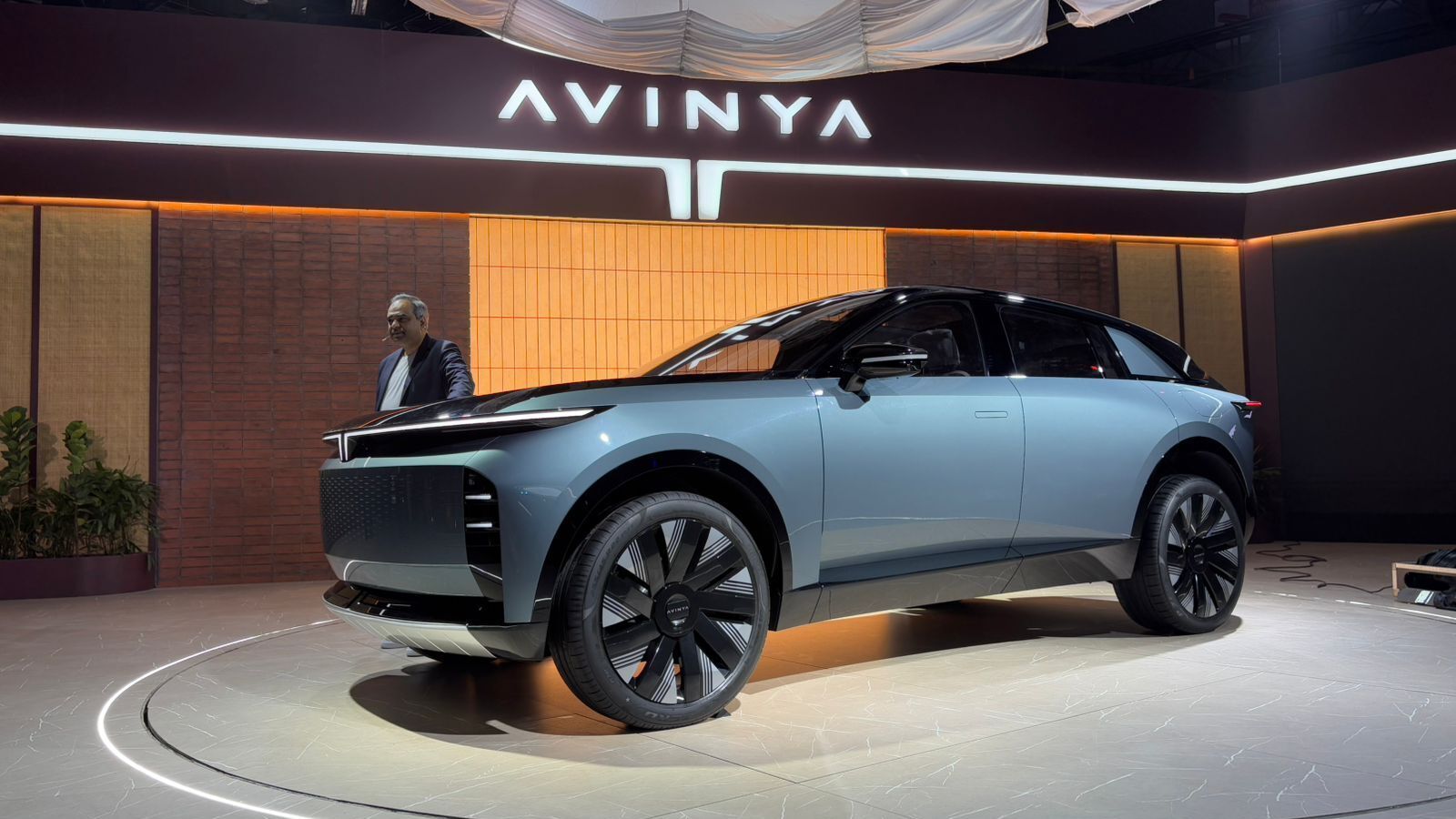
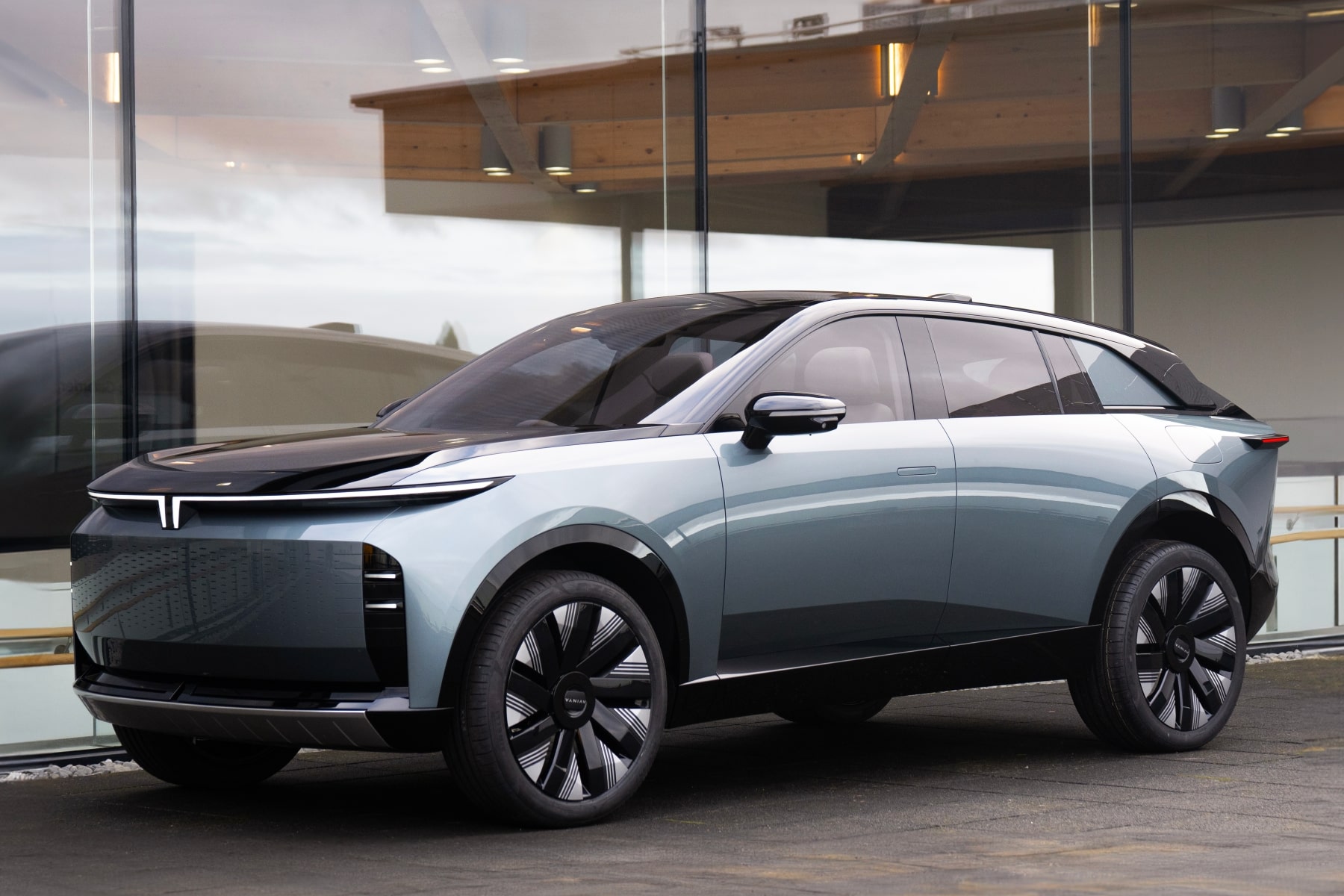
The Avinya models, particularly the Avinya X Concept showcased at the Bharat Mobility Global Expo 2025, feature sleek proportions, a high ground stance, and a bold LED lighting signature that frames the new Tata logo. These design cues signal a premium presence on the road, differentiating it from more conventional EV offerings.
Massive alloy wheels, smooth body panels, and flush door handles add to the clean, aerodynamic silhouette. In concept form, the design suggests a future where aerodynamics and visual drama go hand-in-hand.

Interior Innovation
Inside, the Avinya’s cabin leans toward minimalism and serenity rather than an overload of screens and buttons. Reports suggest a flat interior floor, expansive seating space, and a lounge-like environment crafted for comfort — potentially featuring panoramic roof elements and eco-friendly materials.
While full production interiors are still yet to be revealed, the concept’s emphasis on comfort and calm reflects Tata’s broader vision for user experience in EVs.
Advanced EV Architecture
Perhaps the most important technical foundation for Avinya is the Gen 3 EV architecture that Tata Motors has developed. This pure EV platform is engineered from the ground up for electric propulsion, focusing on structural safety, efficient energy use, and enhanced connectivity. Early claims indicate the architecture will support a 500 km range after a rapid charge session under 30 minutes — a benchmark figure that aligns with customer expectations for long-distance usability.
This platform is not only about powertrain performance; it also enables advanced driver-assistance systems (ADAS) and next-generation connectivity — features that are increasingly important in premium EV segments.
Tata’s Strategic EV Push
The Avinya launch fits into a broader plan by Tata Motors to expand its electric vehicle lineup aggressively. The company has publicly stated its intention to introduce multiple EV models by the end of the decade, aiming to capture a significant share of India’s growing EV market.
Market milestones achieved by Tata Motors in EV sales — such as selling over 250,000 electric cars in India — have set the stage for this next phase. Models like the Nexon EV have already shaped customer confidence, and Avinya appears poised to build on that momentum at the premium end.
The Avinya project is also expected to be supported by a separate brand identity, possibly accompanied by dedicated showrooms and customer engagement channels that are distinct from Tata’s existing dealerships. The idea is to elevate Avinya as a distinctive premium EV experience within the Tata family.
Expected Launch and Pricing
Industry sources currently point toward a late-2026 market introduction for the first production-ready Avinya model. (CarWale) Although exact pricing has not been officially confirmed, estimates suggest that the first Avinya vehicles could sit in a premium range — potentially around ₹30 lakh to ₹60 lakh in India — positioning them above many of Tata’s current EV offerings.
This price positioning indicates an intention to compete not just within the domestic EV ecosystem but also against international EV models that are beginning to enter or eye the Indian market. Such ambition underscores Tata’s confidence in Avinya’s value proposition and technological differentiation.
Broader Market Impact
The launch of Avinya represents more than just a new model release. It signals a strategic shift for Tata Motors from producing primarily mass-market EVs to addressing the premium and aspirational segments of electric mobility. This is especially significant in a country where EV adoption is still accelerating, and consumer expectations for performance, comfort, and design are rising.
A successful Avinya launch could inspire greater consumer interest in high-end electric vehicles and encourage competitors to innovate at similar levels. Given the continued expansion of charging infrastructure and supportive government policies, premium EVs like Avinya might help accelerate India’s wider transition toward greener transportation.
Challenges Ahead
No significant automotive launch comes without challenges, and Avinya is no exception. Earlier reports suggested some delays in production launch timelines due to engineering and feasibility considerations. Ensuring that the final product lives up to its concept promises — especially in terms of performance, design, and technology — will be critical to customer reception.
Tata Motors must also manage production scalability, supply chain complexity, and pricing pressures to maintain competitiveness both domestically and internationally.


