

The Comeback of an Icon: Tata Sierra
The name “Sierra” carries a special kind of nostalgia for many Indians. Launched originally in the early 1990s by Tata Motors, the old Tata Sierra (1991) held a unique appeal — a rugged, boxy-SUV look, a bold glasshouse at the rear and a sense of adventure few cars offered back then.
After being out of production since 2003, the Sierra name returns — reimagined for modern times as the new 2025 Tata Sierra (2025). This revival blends the soul of the original with contemporary design, technology, comfort and practicality. In this blog post, let’s explore what’s old, what’s new, and why the new-age Sierra might just become the “go-to” SUV for many families and urban adventurers alike.
A Bit of Memory: What the Old Sierra Meant
Back in the 1990s and early 2000s, SUVs were rare in India — and the original Sierra stood out. It had a simple, no-nonsense design: boxy shape, high seating, large glass windows (especially the distinctive rear glasshouse), a three-door body style, and a rugged character ideal for mixed Indian roads.
Mechanically, it wasn’t about speed; it was about reliability and ruggedness. Over time, versions came with a turbo-diesel engine and a 4×4 option, making it capable of handling both city streets and rougher terrains.
Inside, the cabin was spartan but functional — a high driving position for good visibility, straightforward controls, and no-frills utility. Many buyers back then appreciated the “SUV feel” without now-ubiquitous automotive comforts. That blend of practicality and presence made Sierra something special.
The 2025 Sierra: Retro Soul, Modern Body
When Tata announced the revival, expectations were high — and the new Sierra delivers a respectful nod to its roots while reimagining itself for 2025.
Design & Exterior: Familiar Yet Fresh
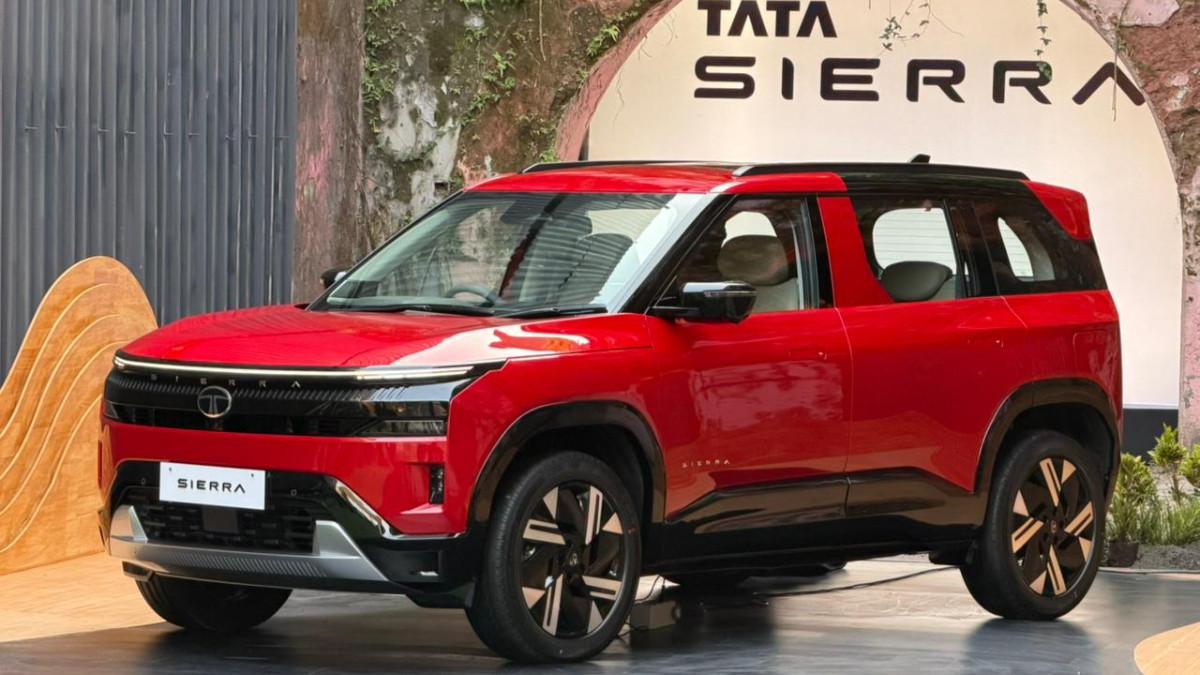
- The new Sierra carries a neo-retro design. It still evokes the original’s upright stance and boxy charm, but with modern touches. Think split LED headlamps, a connected LED light bar at the front, a textured grille, flush door handles, and blacked-out ORVMs (outside-rear-view mirrors).
- On the side, the silhouette offers a subtle nod to the old “glasshouse” look: while the large glass panels of the classic aren’t replicated exactly, the blacked-out B-pillar, contrasting roof, and dark C-pillar give it a “floating roof” effect — a clever modern reinterpretation of the original’s spirit.
- It rides on chunky 19-inch alloy wheels, has body cladding, skid plates, and a bold, confident exterior — giving the impression that it’s ready for both city life and weekend getaways.
In short: it looks like an SUV that respects its past, but is decidedly of today.
Under the Hood: Engines & Performance
Tata is offering multiple engine and transmission options for varied needs — from daily commuting to spirited highway drives. Here’s a quick breakdown:
| Engine Type | Power / Torque* | Transmission Options | Best For |
|---|---|---|---|
| 1.5 L NA (Naturally-Aspirated) Petrol | ~106 PS, 145 Nm | 6-speed MT / 7-speed DCT | Everyday city and suburban driving |
| 1.5 L Turbo-Petrol (TGDi) | ~160 PS, 255–260 Nm | 6-speed AT only | Smooth highway drives, overtaking ease |
| 1.5 L Kryotec Turbo-Diesel | ~118 PS, 260–280 Nm (MT/AT) | 6-speed MT / 6-speed AT | Long drives, fuel efficiency, load handling |
* Figures approximate and may vary by variant/transmission.
While the launched variants come with front-wheel drive (FWD), the platform underneath — named “ARGOS” — has been designed to support other drivetrains (including possibly all-wheel drive, and even EV/CNG in future) if Tata chooses to expand.
So, whether you just commute in city traffic or plan some long weekend getaways — the Sierra offers flexibility.
Interior & Tech: From Basic to “Whoa!”
This is where the new Sierra marks a dramatic leap from the old one. The cabin is packed with technology and features many would expect only in premium SUVs — making it surprisingly “grown-up” for its segment. Some highlights:
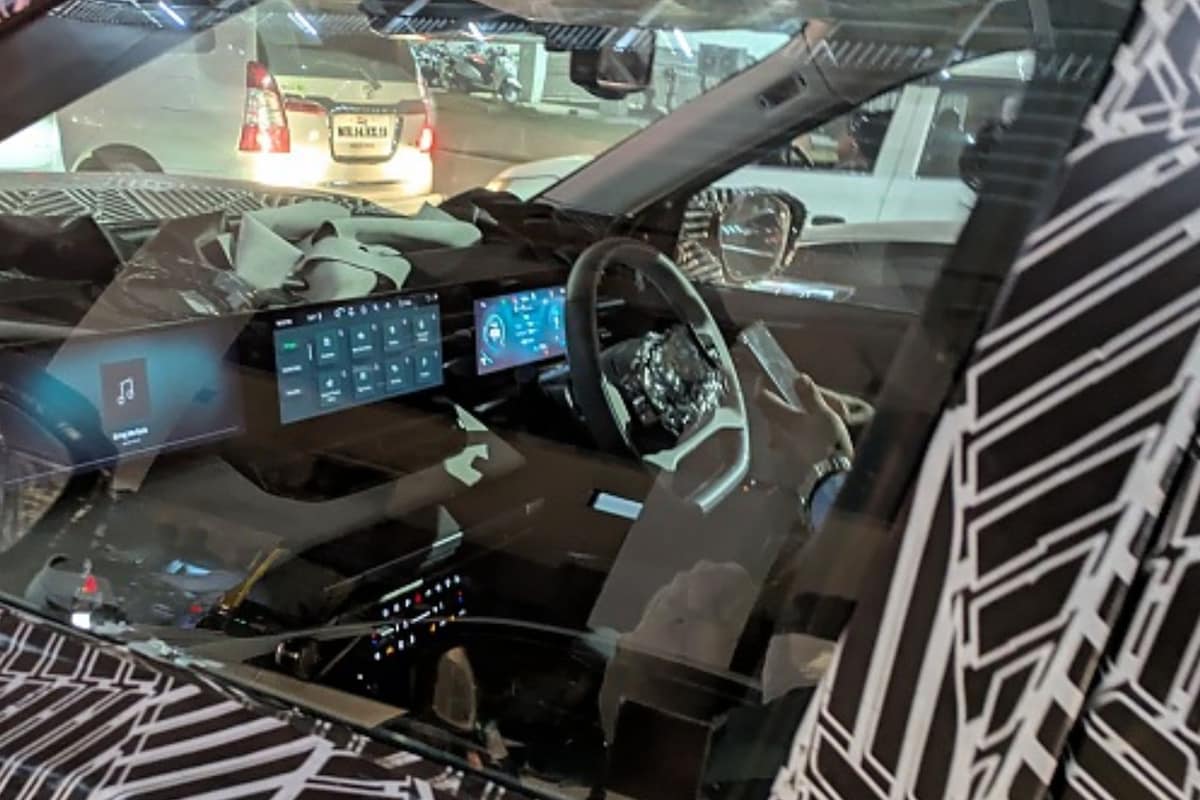
- Triple-screen setup: The dashboard features three displays — a digital instrument cluster, a large central infotainment screen, and a dedicated front-passenger screen, all under a single glass panel. Sleek, modern, and very much “2025.”
- Entertainment & comfort: 12-speaker JBL Black audio system with Dolby Atoms, ambient lighting, ventilated power-adjustable seats with thigh support, dual-zone climate control, wireless charging, and large panoramic sunroof — possibly one of the largest in its segment.
- Conveniences: Features like powered tailgate with gesture control, head-up display, 360° camera, multiple USB Type-C ports, rear sunshades, reclining rear seats — all underlining an intent to make even rear-seat travel pleasant.
- Safety & smart tech: Built-in safety includes multiple airbags, ABS with EBD, ESC, ISOFIX child-seat mounts, 360° camera, and advanced aids such as Level-2 ADAS, cruise control, ESP, hill-hold/descend assist, and numerous other driver-assist features.
- Connected features: As per Tata, the Sierra will support connected-car functionality via the IRA app (with 5G support), offering features like smart alerts, vehicle health monitoring and remote controls — though Tata suggests some features will roll out over time.
In short: the cabin aims to deliver a “lounge-on-wheels” experience — cozy, tech-packed and family-friendly, without losing the rugged SUV vibe outside.
Price & Positioning in Market
The new Sierra was launched at an introductory ex-showroom price of ₹11.49 lakh.
Depending on variant, engine, and optional features, the top variants will cost more — especially ones with turbo-petrol, turbo-diesel or loaded comfort/technology. The range across variants and trims offers prospective buyers flexibility depending on their budget and priorities.
With this pricing and feature set, Tata seems to position the Sierra to compete with popular mid-size SUVs in India — aiming to deliver a mix of “style + practicality + technology + value”.
Legacy Meets Future — And Why It Matters
For many Indians, the original Sierra remains a fond memory — the kind of SUV that stood out on the roads when SUVs were rare, built for utility, adventure and road-trips. The new Sierra honours that legacy: the upright proportions, bold presence, and SUV-like vibe are clearly intentional.
But more importantly, it doesn’t just rely on nostalgia. The 2025 Sierra is contemporary at heart. By offering multiple engines, high-end interiors, tech-packed features, and safe — modern — driving aids, it suits the needs of today’s car buyers: families, urban commuters, road-trip lovers, or just anyone looking for a “modern SUV for all seasons.”
If you’ve ever missed the charm of the old Sierra — or if you’re simply looking for a feature-rich, stylish SUV with flexibility — the new Sierra makes a strong case.
Final Thoughts
The rebirth of Tata Sierra feels like a thoughtful bridge between past and future: a vehicle that doesn’t forget where it came from, yet evolves to where we are now. For many, that’s likely to strike the right balance. It’s rugged yet refined; retro yet modern; practical yet aspirational.
In the crowded SUV market — where looks, technology, comfort and affordability all matter — the new Sierra stands out as a compelling contender. If you’re thinking of buying an SUV that balances everyday practicality and weekend wanderlust, Sierra is definitely worth a long look.


